

 Contact us
 Visit CPRE.org
 Donate
Restoring Nature, Reviving Tradition: How CPRE Hampshire is Reconnecting People with the Land
Across Hampshire, a quiet but powerful transformation is taking place.
In a time when biodiversity loss, the climate emergency and urban expansion dominate environmental discourse, CPRE Hampshire is demonstrating that hope lies not only in large-scale interventions, but in the collective impact of small, thoughtful actions. Through its Magnificent Meadows project, the charity is restoring precious chalk grassland habitats and, in doing so, bringing the countryside closer to the communities who live among it.
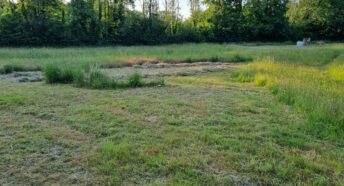
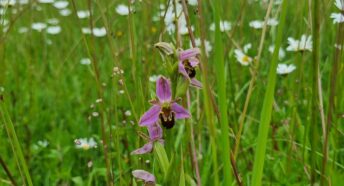
Chalk grasslands are among the most ecologically valuable habitats in the UK, supporting a rich diversity of wildflowers, grasses, and pollinators. Yet decades of fragmentation have left these landscapes vulnerable. CPRE Hampshire is reversing this trend by restoring and reconnecting these habitats – even in the heart of urban areas. From church grounds to the edges of leisure centres, sports stadiums and motorways, small pockets of land are being transformed into vibrant meadows.
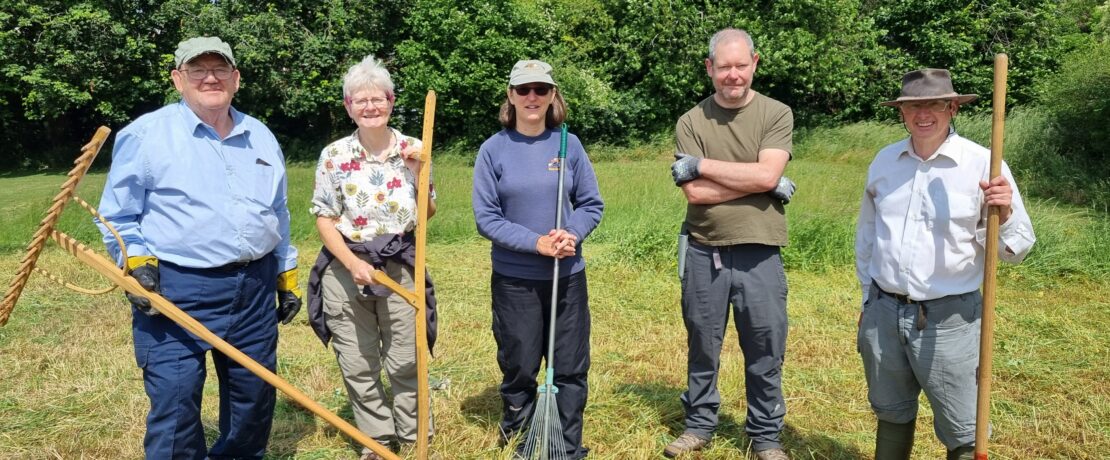
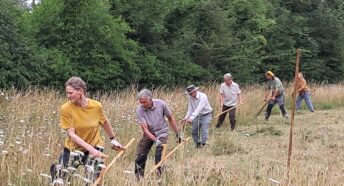
What sets this project apart is its commitment to traditional haymaking methods. Volunteers are trained to mow, rake, dry, and pack hay by hand – reviving a centuries-old practice that is not only cost-effective for small sites, but also deeply engaging for the community. These visible, hands-on activities attract the attention of passers-by, sparking curiosity and conversation. The result is more than just habitat restoration; it is cultural restoration – reconnecting people with the rhythms of the land.
The hay produced is used locally by smallholders, creating a sustainable loop that benefits both people and wildlife. Volunteers also harvest green hay and collect seeds, helping to propagate native species and strengthen the ecological resilience of each site. One notable example is the use of green hay from Joyce Gardens, which has been spread at a nearby leisure centre to establish a new meadow habitat. This technique supports the propagation of native species such as cowslip, field scabious, yellow rattle, and ox-eye daisy – plants that are vital for pollinators and biodiversity.
Local ecologist Rachel Remnant plays a vital role in this process, sharing her expertise on wildflower and grass species, and guiding habitat management to ensure long-term success.
The impact is tangible. These small meadows, though modest in size, collectively stitch together a network of biodiversity across the county. They create stepping stones for wildlife, enhance pollinator corridors, and offer urban residents a direct connection to nature. Perhaps most importantly, they demonstrate that everyone can play a part in environmental stewardship, no matter where they live.
The Magnificent Meadows project has been made possible thanks to local landowners, project partners and funders, including the South Downs Sustainable Communities Fund, Winchester Rotary, Winchester Round table, Winchester City Council and the UK Shared Prosperity Fund.