

 Contact us
 Visit CPRE.org
 Donate
CPRE Hampshire Community Hedge Fund
The CPRE Hampshire Community Hedge Fund helps local communities plant and restore hedgerows by providing hedge plants (whips), guards and canes. Projects must be in a location accessible to the public. The fund provides planting materials, not cash grants.
Applications now open for the Community Hedge Fund
Could your community benefit from a new hedgerow? Could you plant a new hedge on your village green, school grounds, side of a cricket pitch, or other location accessible by the public?
CPRE Hampshire is once again welcoming applications to its Community Hedge Fund, supporting local projects with hedge plants (whips), guards and canes to help increase hedgerow cover across Hampshire and support wildlife.
Your project must be in a location accessible to the public and meet our planting requirements.
Application deadline end December 2026. All projects must be completed by end March 2027.
Apply for the Community Hedge Fund
Please note, the fund provides planting materials, not cash grants. We can also offer you advice and guidance to help you plan, plant and care for your new hedge.
Planting requirements
To be eligible for support from the CPRE Hampshire Community Hedge Fund, your hedgerow planting must meet the following requirements:
- Use 1-2 year old hedge plants (whips). Any additional mature saplings must be sourced separately
- Plant between November and March. November and December are the preferred months for planting.
- Choose native species. Suitable species include hawthorn, blackthorn, privet, spindle, crab apple, dogwood, guelder rose, field maple, wayfaring, hazel, dog rose
- Create a mixed hedgerow with at least seven species to maximise the benefits for wildlife.
How to plant your hedge
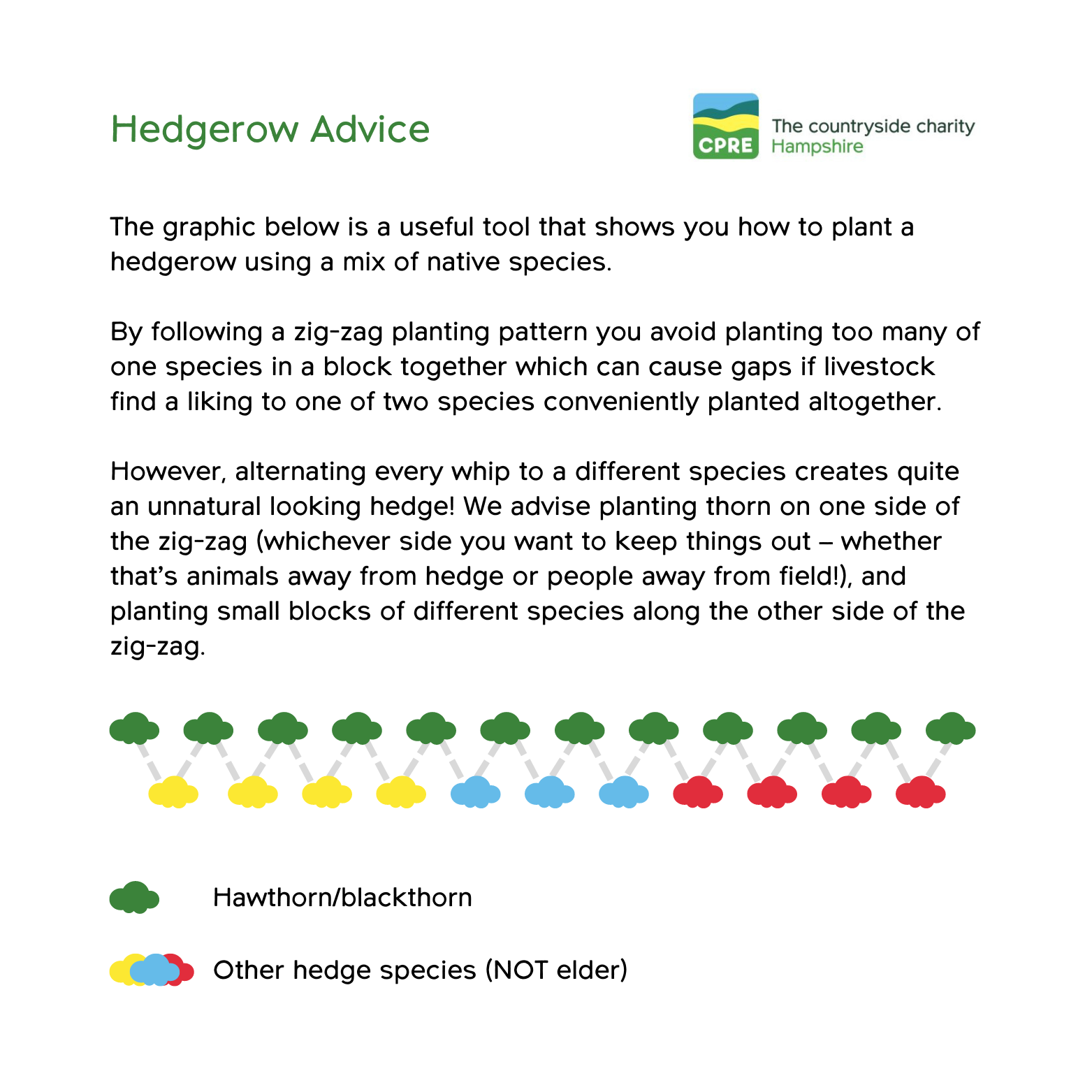
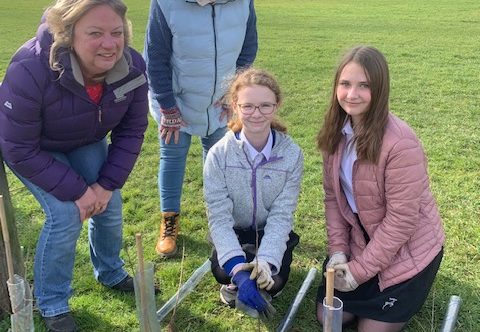
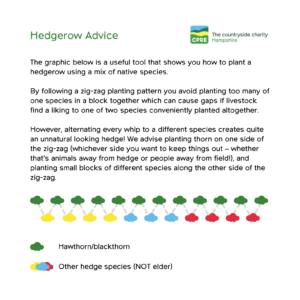
We recommend planting your hedgerow in a zigzag pattern, with plants spaced approximately 30-40cm apart. See our hedgerow planting guide for guidance.
Protecting and managing your hedge
Planting your hedge is just the beginning. Protecting young plants and managing your hedgerow over time will help it establish, thrive and provide lasting benefits for wildlife.
Protecting your young hedge
Young hedge plants need protection while they establish. Read the Tree Council’s advice on protecting young trees for practical guidance.
Caring for and managing your hedge
Regular, appropriate management will help keep your hedge healthy and valuable for wildlife. Explore the People’s Trust for Endangered Species’ top tips for managing hedgerows to learn more about maintaining and rejuvenating your hedge.
Support from CPRE Hampshire
The Community Hedge Fund provides hedge plants (whips), guards and bamboo canes, alongside advice and guidance on planning, planting and caring for your new hedgerow. We can also offer educational resources, including ready-made Key Stage 1 and 2 materials for projects involving children, and practical, hands-on planting support where appropriate.
For more information about the benefits of hedgerows, resources and guides visit our Hedgerow Hub.
Hedgerow Management & Advice
-
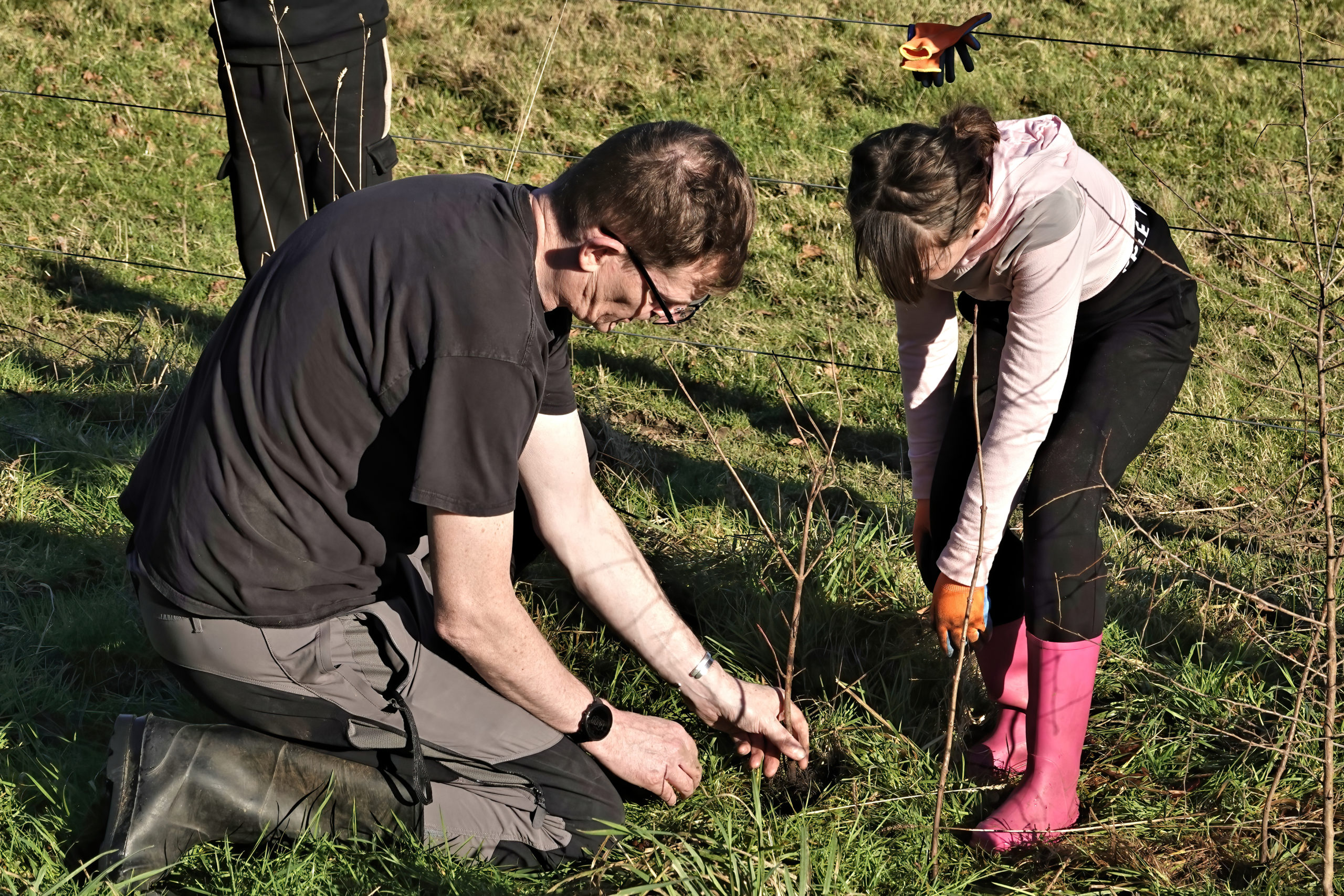
Small hedge plants are known as 'whips'. They are often one year old saplings, typically with a single stem and no branching to start with. They are easy to establish and bush out well once in the ground.
-
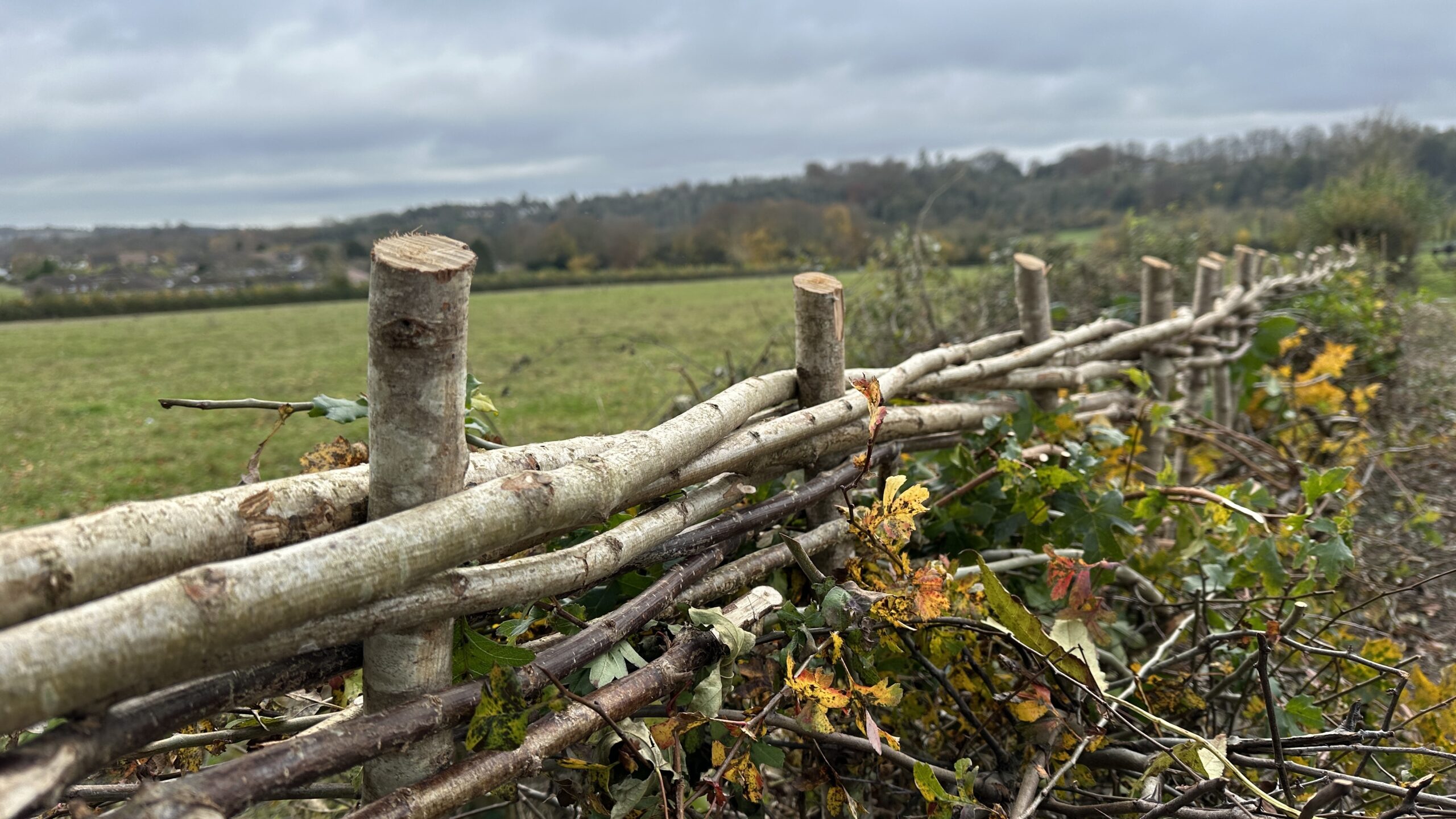
Example of a laid hedge.
-
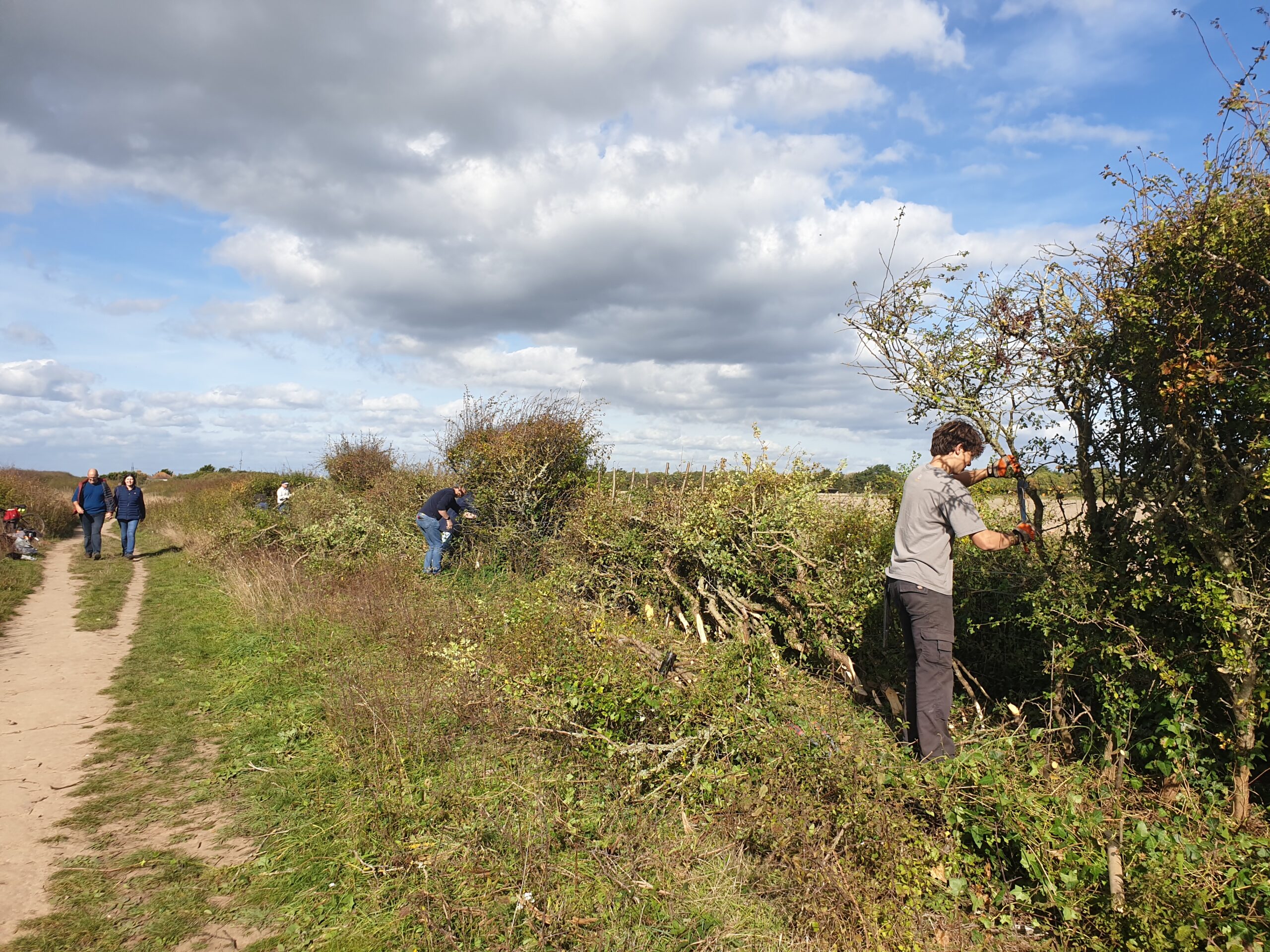
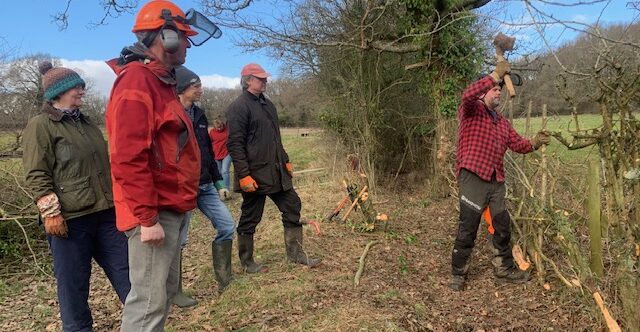
Laying a hedge is the act of cutting into the base of the woody stems 3/4 through to create a flexible 'tongue' (pleacher) which can be laid over, maintaining a stockproof barrier whilst rejuvenating the base of the hedge.
-
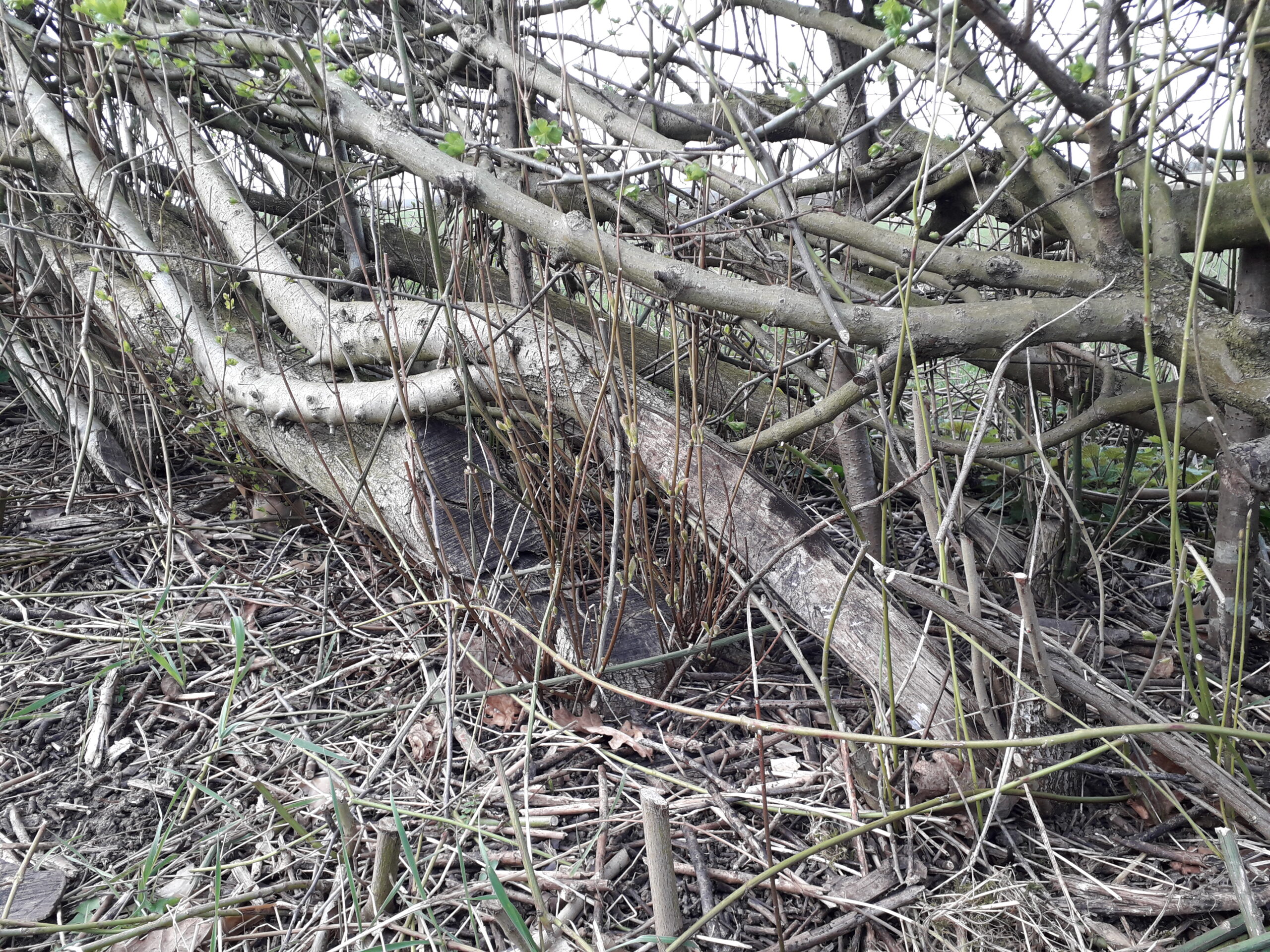
The shock of the damage to the hedgerow tiggers the plant's natural response to focus lots of new growth from just below the point of damage, thus increasing the density of the base of the hedge.
-
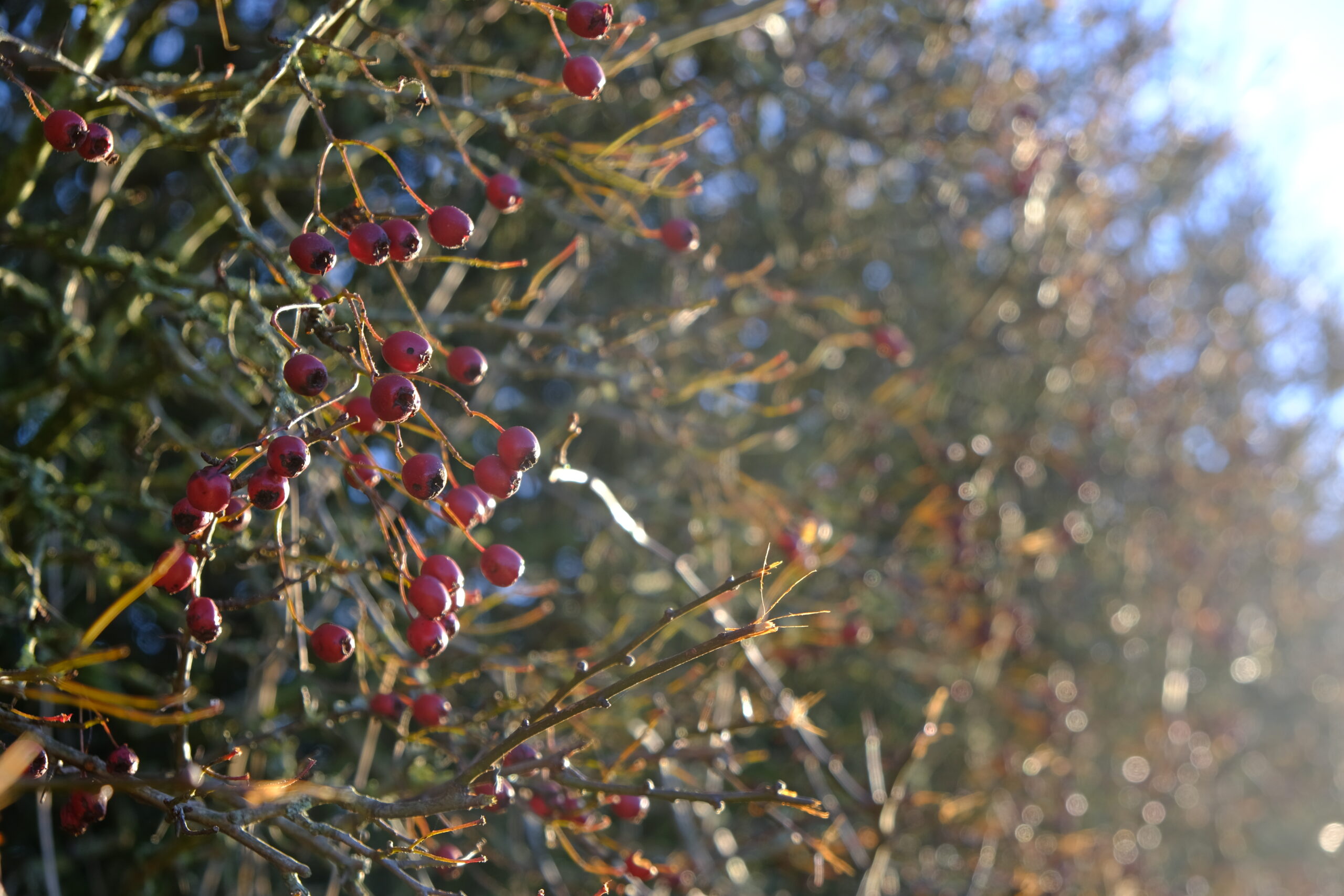
We recommend using a mix of native species such as, hawthorn, blackthorn, wayfaring, spindle, guelder rose, field maple, crab apple, hazel and privet to create your hedgerow. The hawthorn, its old English name being ‘quick’, also takes particularly well so gives you a good chance of having a continuous hedge sooner.
-
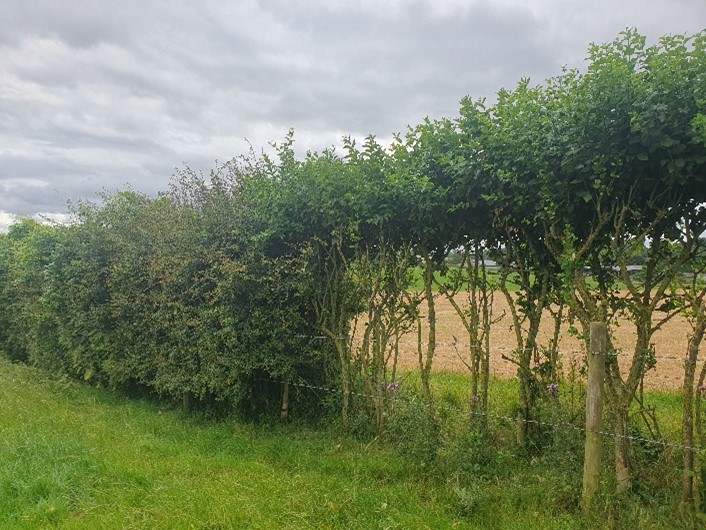
Planting too many of one species in a block together can cause gaps - livestock may take a liking to this species, which is conveniently planted altogether, ready for them to browse. This photo shows the effects of a block of spindle being preferentially browsed by cattle. However, alternating every whip to a different species creates a quite unnatural looking hedge! We advise planting thorn on one side of the zig zag (whichever side you want to keep things out – whether that’s animals away from the hedge or people away from a field!), and planting small blocks of different species along the other side of the zig-zag.