

 Contact us
 Visit CPRE.org
 Donate
Local Residents shocked to see effect Grey Belt policy could have

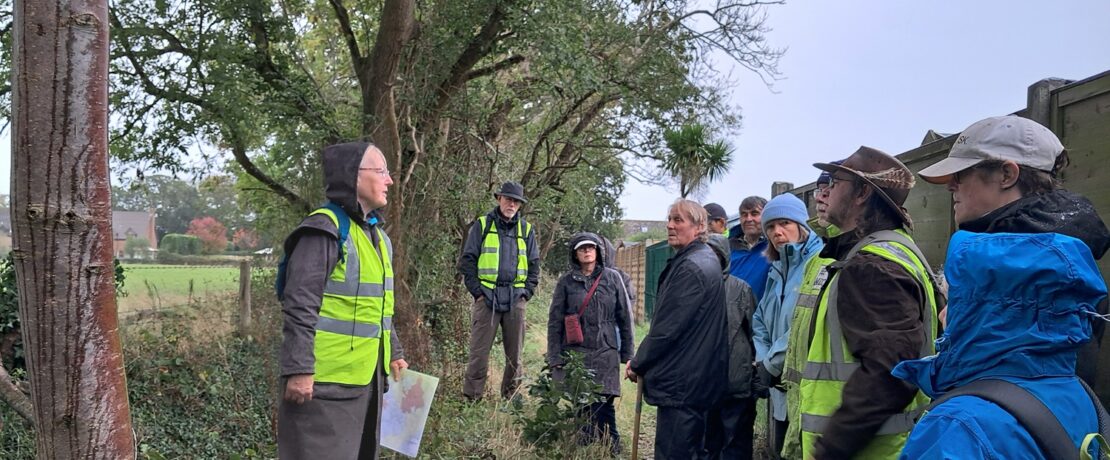
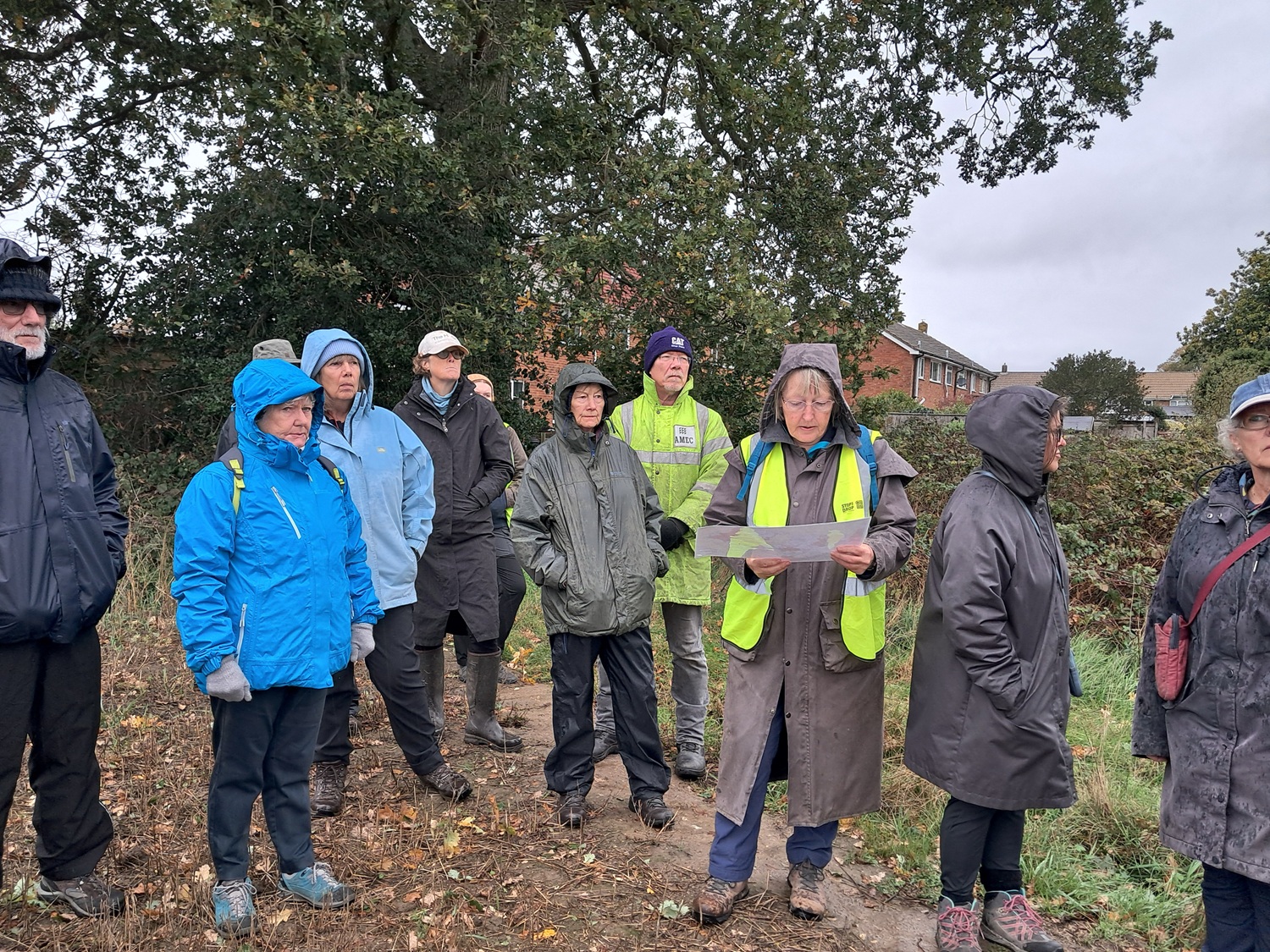
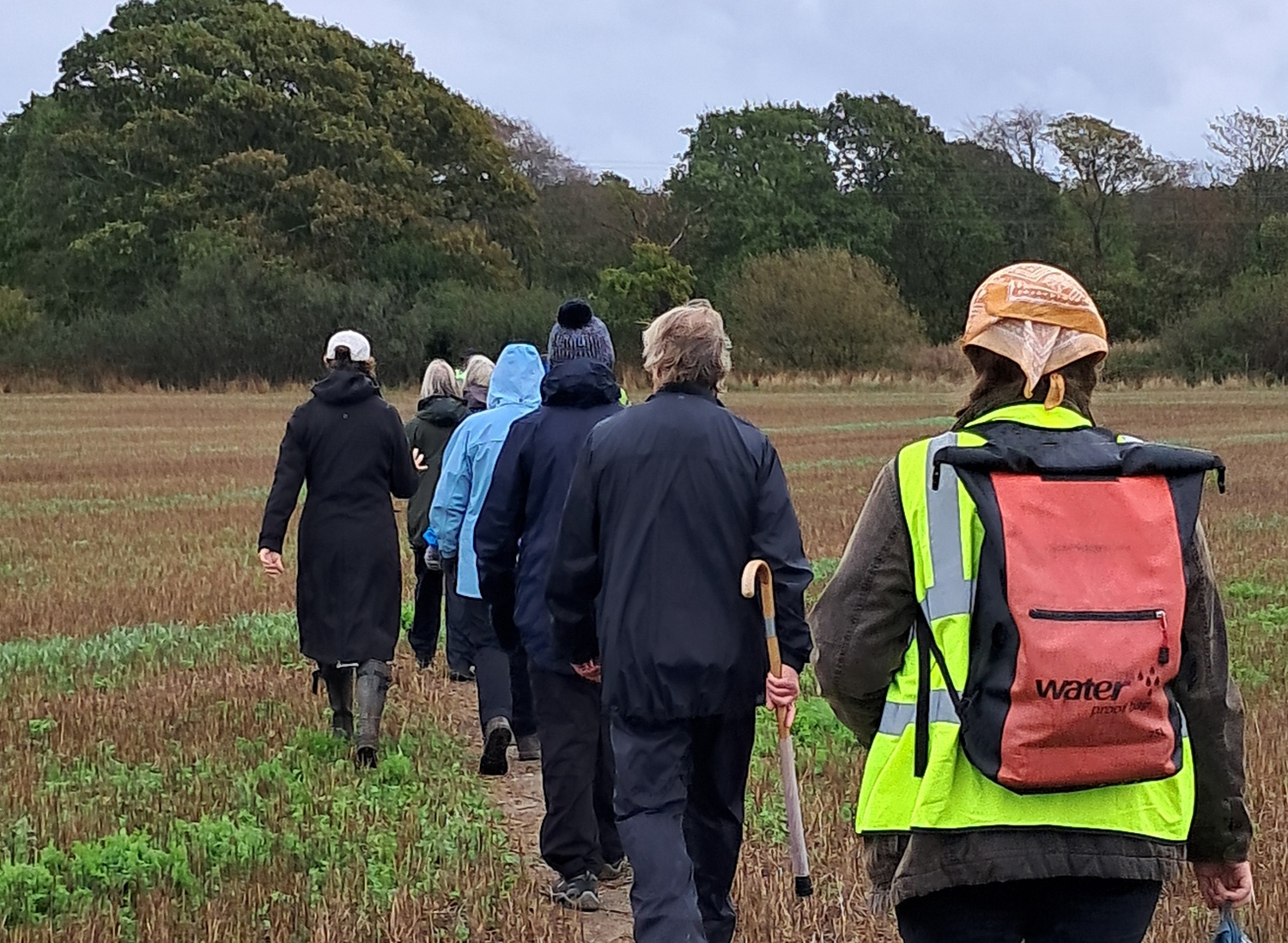
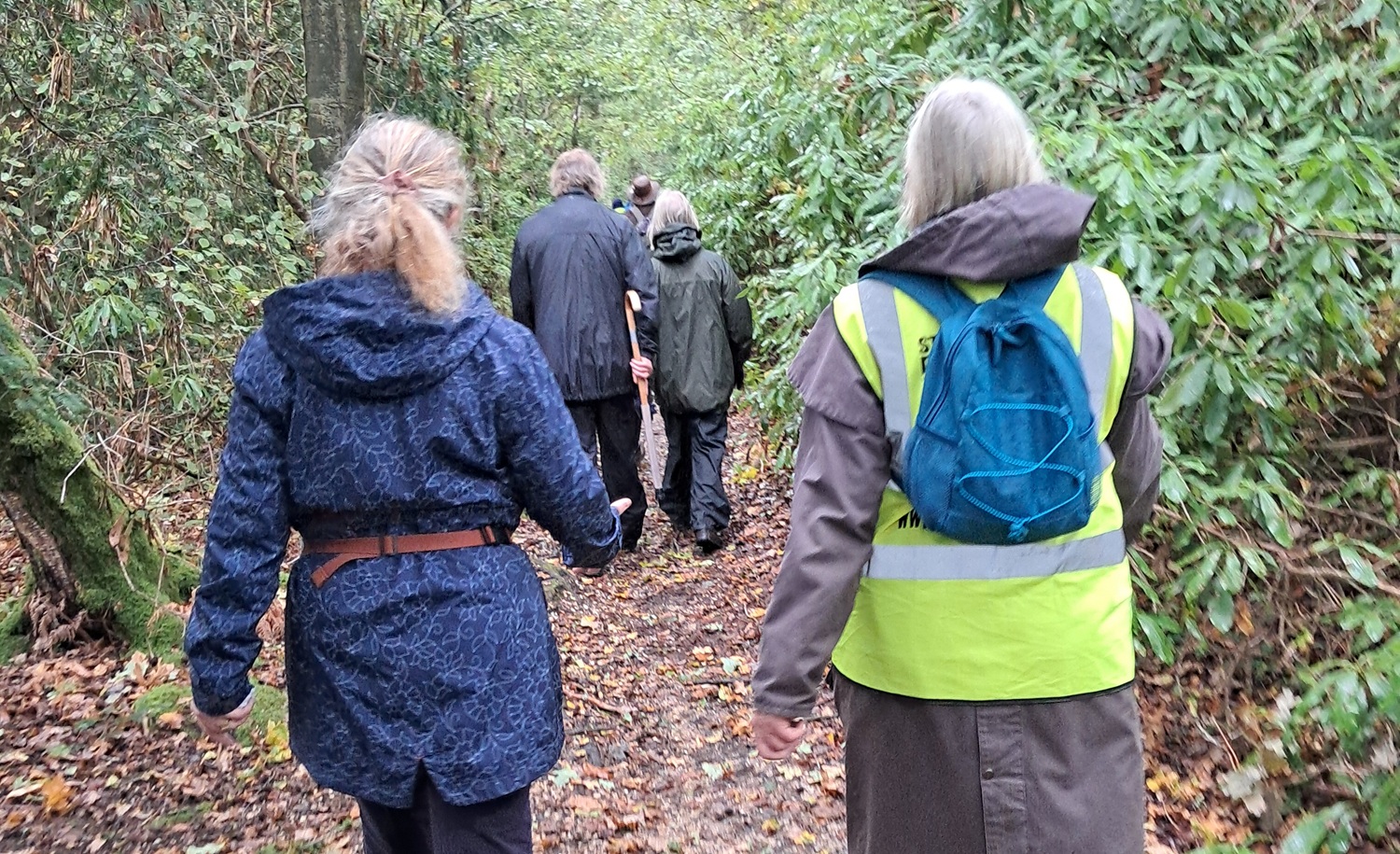
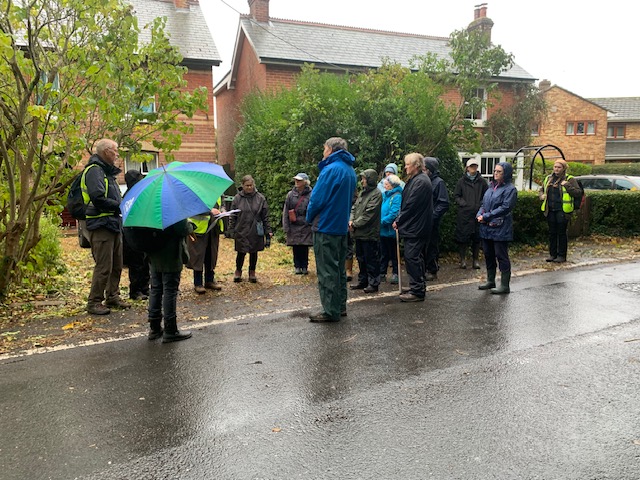
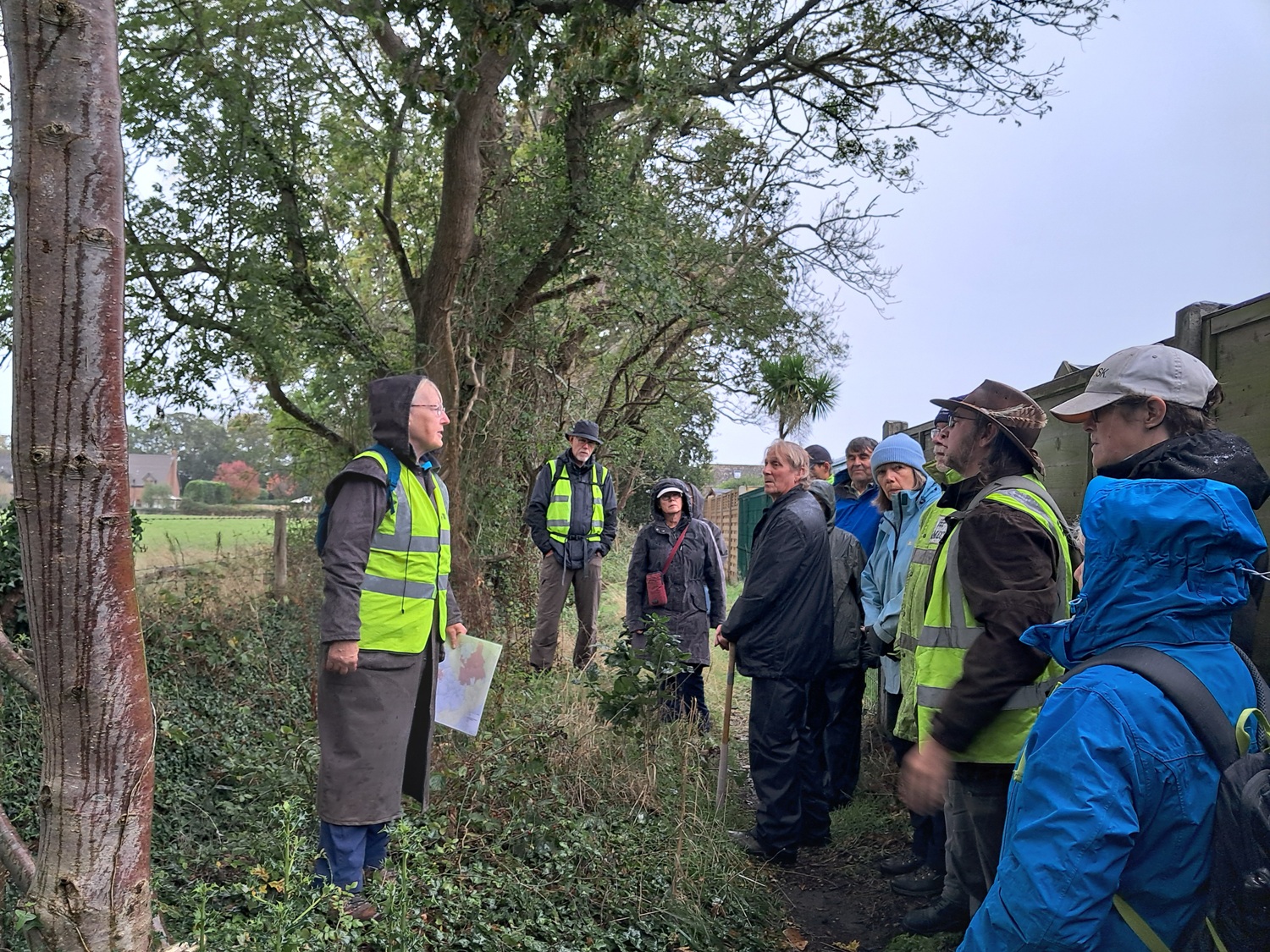
On Saturday 24th October, 20 local residents braved the weather and joined CPRE Hampshire to take a tour around speculative development sites in Hordle and Everton in the New Forest and see for themselves how the Southwest Hampshire Green Belt could largely disappear forever if action isn’t taken now.
Nationally our Green Belts are under threat like never before, with increasing demands for land to accommodate new housing and CPRE Hampshire, the Campaign to Protect Rural England, wanted to highlight what this means for just one parish in Hampshire.
The walk took in three sites that are still designated as Green Belt land but that are facing speculative development applications – the cumulative result, if these were successful, would be hundreds of new houses – all before the democratic process of a Local Plan being approved and people being given the chance to be consulted.
CPRE recognises that new houses are needed but is worried that a ‘piecemeal approach’ to planning and picking off sites that are not allocated through the local planning process will lead to poor development, no truly affordable housing and a lack of strategic oversight in the decision-making process. The charity, based at Sparsholt in Hampshire, is calling for local New Forest organisations that care about the countryside in the South West Hampshire Green Belt area to come together and wake up to the very real threats that Grey Belt policy could have for Hampshire.
Boyd McCleary, Vice Chair of CPRE Hampshire, led the walk on Saturday. He said: “CPRE are often asked to help local action groups at too late a stage in the planning process. It is too late to influence what is developed, where, when the diggers are on site. Now is the time to get involved.”
County Councillor Fran Carpenter joined the walk. She said: “Walking around King’s Farm, Woodcock Lane and Wainsford Road with CPRE brought home how much countryside and wildlife we could lose if these sites are labelled ‘grey belt’. These fields are not just gaps on a map.
“We need smaller, more affordable homes for young people and downsizers. But we cannot keep considering developments one by one without looking at what they will mean together in ten or twenty years. Field by field, we will lose wildlife habitat and put more pressure on local services. We need a fair and considerate housing plan that looks at the whole picture and protects our special rural character.
“We also cannot let New Milton, Hordle, Everton and Milford creep towards Christchurch and Pennington until our villages lose their identity. Councils and residents must challenge the Government’s approach and demand better ways to meet housing needs. These places deserve more than piecemeal destruction.”
The pressure on Green Belt land has increased since the Government announced plans in July 2024 to release some ‘low-quality’ Green Belt land for development by designating it as ‘grey belt’. Then Secretary of State Angela Rayner said this could include “land on the edge of existing settlements or roads, as well as old petrol stations and car parks”
The prospect of Green Belt land being redesignated as ‘grey belt’ has led to increased interest from developers.
In Hampshire, the villages of Hordle, Everton and Milford are at the centre of growing pressure for development on Green Belt land, with an unprecedented wave of speculative planning applications being submitted.
The Campaign for the Protection of Rural England (CPRE) is involved in the Green Belt debate at a national level. We believe the current debate focuses more on what the Green Belt blocks and is missing an opportunity to look towards what it could deliver, if given the chance. As an existing spatial designation, Green Belt has the potential to support nature’s recovery, climate mitigation and adaptation, local food systems, and people’s health and wellbeing. It is important urban-edge green space which is valued by local communities.
Read CPRE’s report on Improving Green Belt for Nature, Climate and People.
A recent survey carried out for ‘More in Common’ for CPRE, found that nine in ten people want the countryside protected. All the groups surveyed favour building on brownfield sites in preference to open countryside – but this is not happening.
CPRE has produced a guide helping people to understand how the planning process works. A free downloadable copy is available from their website.